For many international patients looking into dental tourism, discovering that they require a bone graft can be overwhelming. Understanding the process, benefits, and advanced techniques available can alleviate anxiety and ensure a smooth journey toward a perfect smile.
What Is a Dental Bone Graft for Implants?
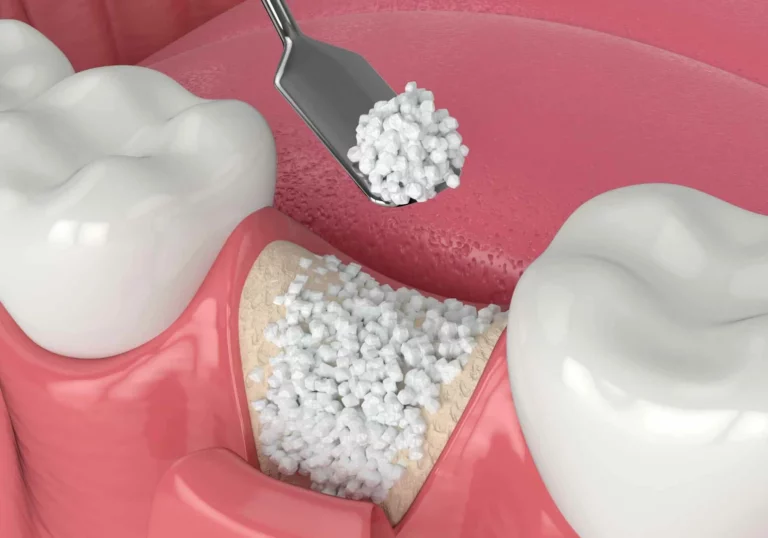
A dental bone graft is a specialized surgical procedure that rebuilds or augments jawbone volume where bone loss has occurred. When a tooth is missing, the surrounding jawbone no longer receives stimulation from chewing, causing it to naturally resorb (shrink) over time.
During a bone grafting procedure, a qualified implant specialist places biocompatible bone material into the deficient area. Over several months, your body uses this graft as a scaffold to regenerate natural, living bone, creating a resilient base capable of anchoring a titanium implant post securely.
Who Needs a Bone Graft?
Not every implant candidate requires bone grafting, but it is common for individuals who have experienced:
- Long-term tooth loss: Missing teeth for years leading to significant jawbone resorption.
- Periodontal (gum) disease: Severe infection that has destroyed the supporting bone structure.
- Trauma or injury: Physical impact that damaged the jawbone frame.
- Anatomical limitations: Naturally thin jawbones or close proximity to the sinus cavities (requiring a sinus lift).
Current Types of Bone Graft Materials
Modern implantology utilizes four primary types of bone grafting materials, selected based on clinical needs:
- Autografts: Bone harvested from another site in the patient’s own body (e.g., chin or jaw). It offers the highest biocompatibility.
- Allografts: Human bone tissue sourced from a certified donor bank, thoroughly processed and sterilized for safety.
- Xenografts: Bone tissue derived from an animal source, processed to leave only the mineral matrix scaffold.
- Alloplasts: Synthetic, biocompatible mineral materials (such as calcium phosphate) engineered to stimulate natural bone growth.
Key Benefits of Dental Bone Grafting
Ensures Long-Term Implant Success: Prevents implant mobility and failure by supplying a sturdy anchor.
Preserves Facial Aesthetics: Restores loss of bone volume, preventing premature facial sagging and sunken cheeks.
Restores Full Masticatory Function: Allows you to chew, bite, and speak with confidence and comfort.
Expands Treatment Eligibility: Enables individuals previously told they were “not candidates” to safely receive implants.
Simultaneous Bone Grafting & Implant Placement
For patients with moderate bone resorption, advances in minimally invasive surgery allow clinicians to execute simultaneous bone grafting and implant placement in a single surgical visit—saving valuable time for overseas patients.
- Step 1: 3D CBCT & Digital Planning: Precise mapping of bone density, sinus cavity limits, and nerve pathways.
- Step 2: Single-Stage Surgical Protocol: The surgeon prepares the recipient implant site, applies the bone graft material, and inserts the titanium implant post into position all in one seamless operation.
- Step 3: Barrier Membrane Application: A resorbable collagen membrane is secured over the graft to isolate the bone graft material and promote guided bone regeneration (GBR).
- Step 4: Streamlined Healing: Reduces total recovery sessions from two separate surgeries down to one, optimizing the travel schedule for international travelers.
Why Overseas Patients Choose Jet Dentist Vietnam for Bone Grafting & Implants
International patients from the US, UK, Australia, Singapore, China, or the Philippines face astronomical costs for advanced oral surgery. While regional destinations like the Philippines or Thailand offer lower rates, they may lack the personalized “Quiet Luxury” hospitality and standardized European-grade safety protocols found at Jet Dentist.
- Exceptional Cost Savings (Up to 70% Less): Receive top-tier Swiss (Straumann), French (Kontact Biotech), or US (Hiossen) implant systems and medical-grade graft materials at a fraction of Western or Singaporean prices.
- Leading Oral Surgeons & Implant Specialists: Our surgical team brings decades of mastery in bone augmentation, sinus lifts, and immediate implant loading.
- Piezosurgery & Low-Dose 3D Imaging: Advanced ultrasonic surgical tools reduce tissue trauma, bleeding, and post-operative downtime.
- Quiet Luxury Dental Tourism Experience: Located in premium hubs like Vinhomes Ocean Park (Hanoi) and Saigon, Jet Dentist integrates world-class dental care.
- Dedicated English-Speaking Concierge Care: From custom treatment timelines to local travel guidance, our international team ensures a seamless, worry-free dental trip.
Frequently asked questions
Does a dental bone graft hurt?
No. The entire procedure is performed under precision local anesthesia. Most patients report feeling only mild pressure. Post-operative discomfort is easily controlled with standard pain medications provided by your dentist.
How long does bone graft healing take before attaching the final crown?
Initial gum tissue heals within 7–14 days. Full bone integration (osseointegration) typically requires 3 to 6 months before attaching your custom porcelain crown.
Can I complete a bone graft and implant on a short travel trip to Vietnam?
Yes! Thanks to the simultaneous protocol, the surgical stage (scan, bone graft, and implant placement) takes only 7-10 days in Vietnam. You can safely return home during the healing phase and return later for final crown placement.
Other treatments
Explore our full range of treatments
Reviews
Read what our patients say about their experience